Unveiling the truth Debunking popular gambling myths
Understanding Gambling Myths
Gambling myths have circulated for centuries, fueled by anecdotal evidence and a lack of understanding regarding how games of chance operate. Many gamblers believe in these myths because they offer an easy explanation for complex outcomes, creating a false sense of control over the unpredictable nature of gambling. By examining these myths, we can gain a clearer perspective on gambling and its realities, ultimately leading to more informed decisions. For those curious about the casino scene, visiting casoola-casino.nz can provide valuable insights.

One prevalent myth is that certain games are “due” for a win after a series of losses. This fallacy, often referred to as the gambler’s fallacy, suggests that past events influence future outcomes in a random game. However, each spin of a slot machine or roll of dice is independent of previous results, meaning that no amount of losses can guarantee a win. Understanding this helps to dispel the illusion of control that many gamblers chase.
Another common misconception is that players can “beat” the house through special strategies or systems. While skill can affect outcomes in games like poker or blackjack, casino games like roulette and slots are designed to favor the house. Many strategies, such as betting systems, may give players the illusion of winning, but they cannot alter the inherent house edge. Recognizing the limits of personal strategy is crucial for responsible gambling.
The Role of Luck and Skill
Luck plays an undeniable role in gambling, yet many players overestimate its significance, attributing wins and losses solely to chance. In reality, games of skill, such as poker, require a deep understanding of strategies, psychology, and odds. Players who invest time in mastering these aspects often enjoy better long-term results than those who rely solely on luck. This distinction is important, especially for new gamblers seeking to navigate the gambling landscape.
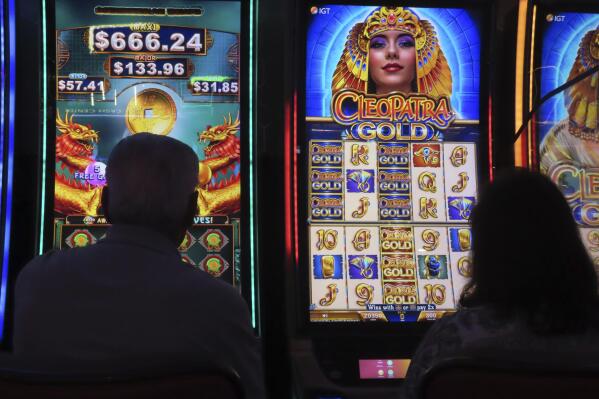
In contrast, games like slots are purely luck-based, where the outcome is determined by random number generators. Believing that one can predict or influence these outcomes leads to misguided expectations. Instead of focusing on luck, players should learn to appreciate the entertainment aspect of these games, treating losses as part of the experience rather than as personal failures.
Understanding the balance between luck and skill in gambling can lead to more realistic expectations and a healthier gambling approach. By acknowledging that skill influences certain games while luck governs others, players can tailor their strategies to match the game’s nature. This perspective encourages responsible gambling habits, ensuring players enjoy their experiences without the pitfalls of chasing losses.
Debunking Superstitions in Gambling
Superstitions are rife in the gambling world, with players often adopting rituals or beliefs that they think will bring good fortune. Many gamblers believe that carrying a lucky charm or performing specific actions before a game can influence the outcome. While these rituals may provide psychological comfort, they do not have any tangible effect on the odds. Recognizing this can help players focus on strategy rather than on baseless superstitions.
Common superstitions include avoiding the number 13, wearing specific clothing, or throwing dice in a particular manner. While such beliefs may enhance the enjoyment of the game, they can also lead to irrational behaviors and excessive reliance on luck. Understanding that the outcome of a game is determined by chance rather than superstition can free players from unnecessary anxiety and enhance their overall gaming experience.
Ultimately, gambling should be about entertainment rather than the pursuit of luck through superstitions. By encouraging a rational approach to gambling, players can enjoy the thrill of the game without being influenced by myths that offer little more than a temporary boost in confidence. Focusing on informed strategies instead of luck-based beliefs is key to developing a healthier gambling mindset.
The Impact of Gambling on Society
The societal perception of gambling is often shaped by myths that frame it as a negative activity. Many people believe that gambling leads to addiction and financial ruin, which may deter individuals from exploring the recreational aspects of gaming. While responsible gambling can be a source of entertainment, it’s crucial to recognize the potential risks associated with excessive gambling. Understanding the difference between occasional play and compulsive behavior is essential for maintaining a healthy relationship with gaming.
Moreover, gambling can have positive economic effects, contributing to local economies through taxation and job creation. Casinos often provide employment opportunities and generate revenue that can benefit community projects and services. By debunking myths that solely highlight the negative aspects of gambling, we can appreciate its multifaceted impact on society and promote responsible play.
Encouraging education around gambling is vital in dispelling harmful myths. Institutions and organizations can play a crucial role in providing information on responsible gambling and the reality of its risks. This approach promotes a balanced view of gambling, enabling individuals to make informed choices while also enjoying the social and entertainment aspects it offers.
Conclusion and Website Overview
In conclusion, understanding the truth behind common gambling myths is essential for anyone interested in participating in gaming activities. By debunking misconceptions surrounding luck, skill, and superstition, players can adopt a more informed and responsible approach to gambling. Knowledge empowers individuals to enjoy games without succumbing to the pitfalls of myths that can lead to unwise decisions and negative experiences.
The website serves as a resource for those looking to gain insight into the world of gambling. Through a focus on transparency and security, it provides valuable information while helping users navigate the complexities of online gaming. By prioritizing responsible gambling practices and offering support, the platform aims to enhance the user experience and promote informed decision-making.